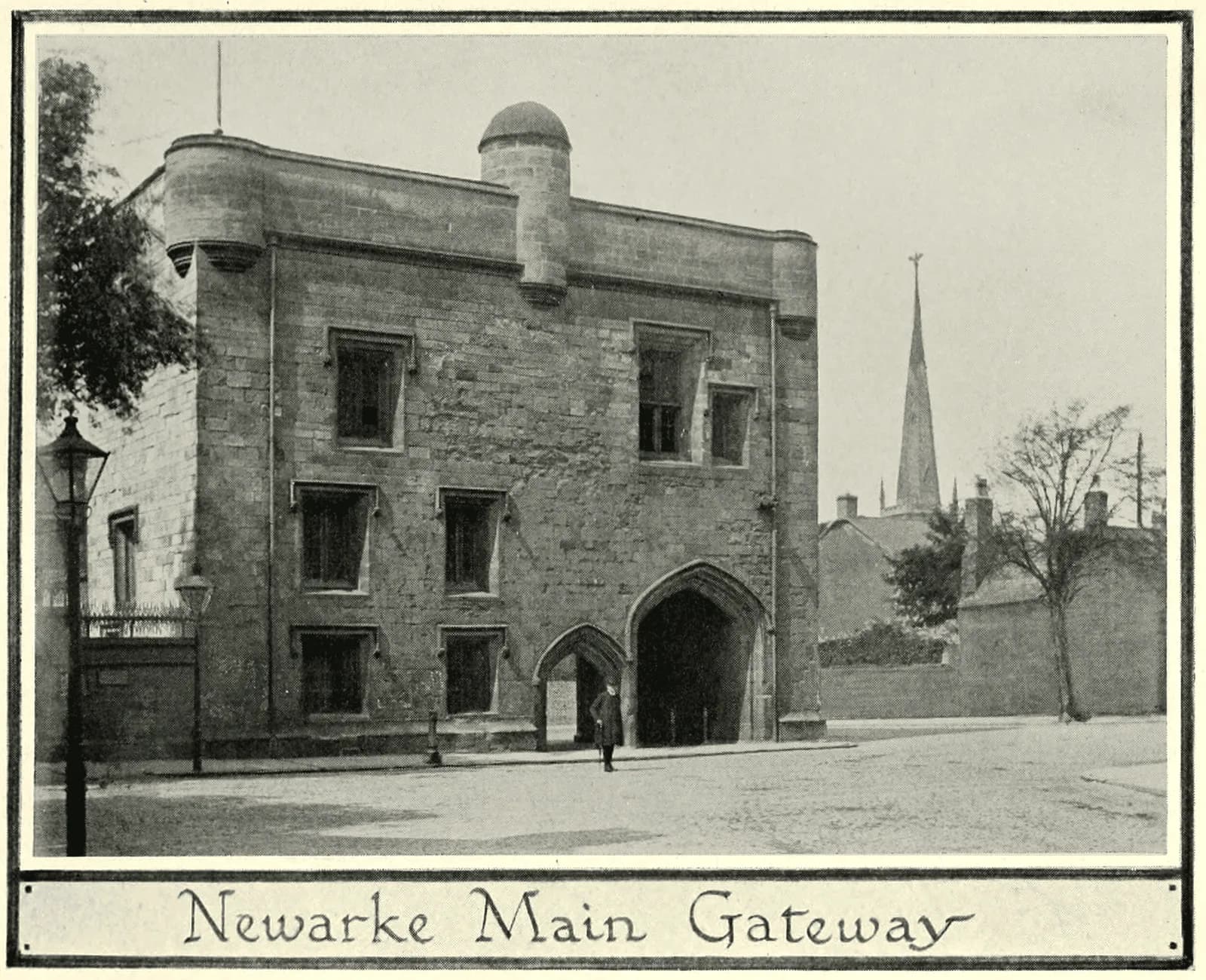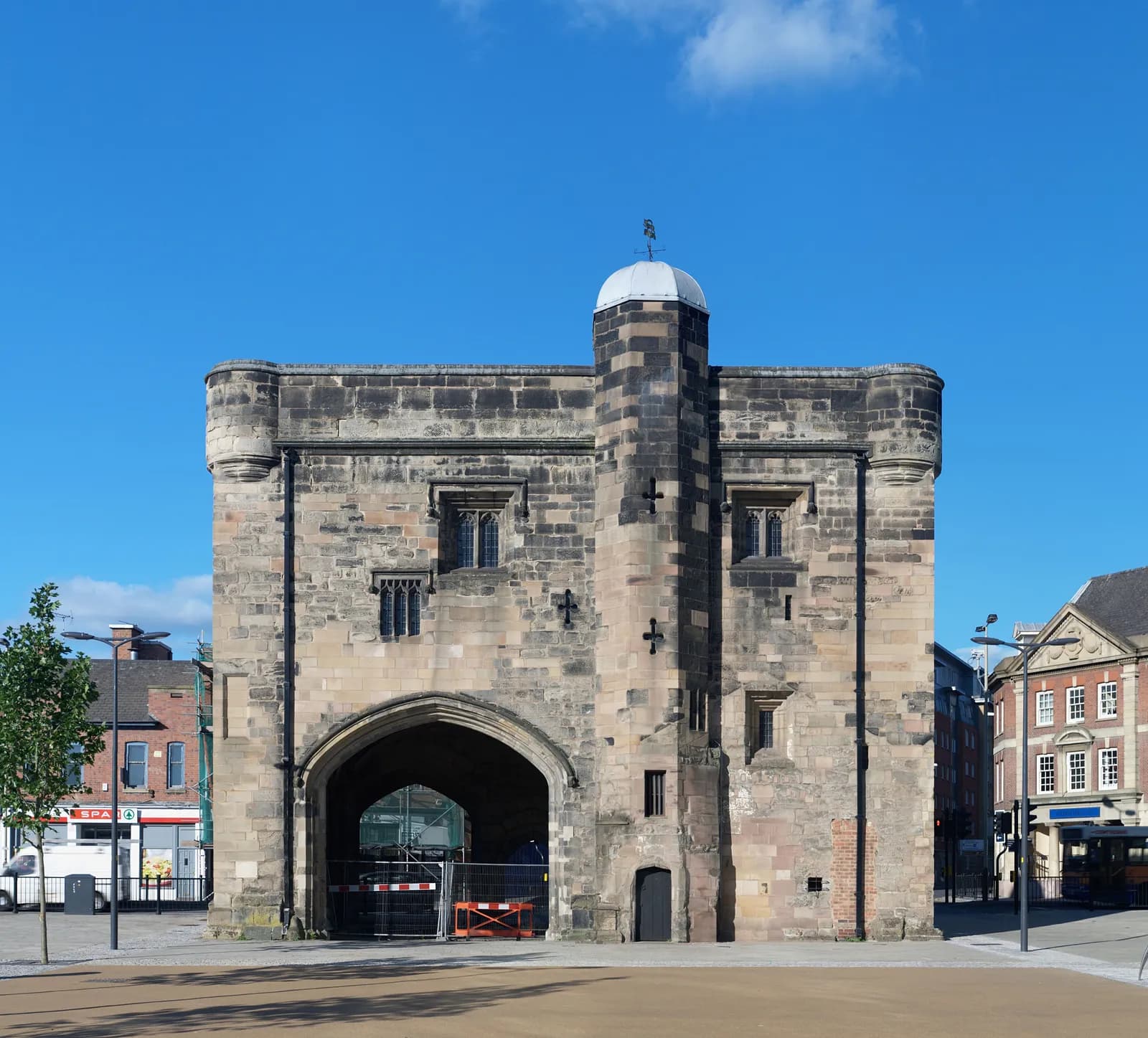
Standing between modern roads, university buildings and the daily movement of city life, Leicester’s Magazine Gateway is one of those historic landmarks many people pass without fully realising just how much it has seen.
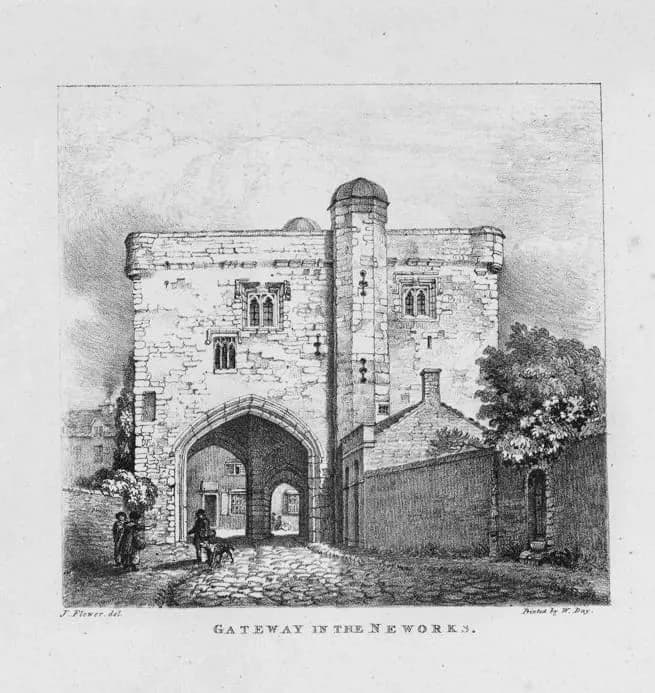
Also known as The Magazine or Newarke Gateway, this Grade I listed building dates back to around 1400. Today, it stands as a striking reminder of medieval Leicester, a survivor from a time when the area around The Newarke was one of the city’s most important religious and political spaces.
Originally, the gateway formed the main entrance into the walled precinct of The Newarke, a religious college and hospital area just outside Leicester’s old town walls. It was built to impress, leading visitors into a prestigious enclosed site connected with the Dukes of Lancaster and the Church of the Annunciation of St Mary.
The gateway was not simply decorative. Its two archways allowed both pedestrians and carriages to pass through, while the rooms above were used as accommodation. A porter would have lived there, managing access to the precinct, and guests visiting the college could also be housed within the building.
Like many of Leicester’s oldest structures, the Magazine Gateway has lived several lives. After the Reformation brought an end to the religious college in the 16th century, the wider Newarke area became a fashionable residential district. The gateway remained, even as the world around it changed.
Its current name comes from the English Civil War, when the building was used to store munitions. Leicester saw serious military action during the conflict, including the Royalist storming of the town in 1645 and its recapture by Parliamentarian forces shortly afterwards. The gateway’s later use by local militia cemented its association with military history.
Over the centuries, the building also served as a prison, a militia base and eventually a regimental museum. Graffiti left inside by prisoners and soldiers offers a fascinating, human glimpse into the people who occupied the building long after its medieval religious purpose had faded.
For much of the 20th century, however, the Magazine Gateway suffered from the city’s changing road layout. The inner ring road left it stranded between busy carriageways, cut off from its original surroundings and accessible mainly by underpasses. For a Grade I listed medieval building, it was an awkward and unsympathetic setting.
That changed in the 2000s, when road alterations helped reconnect the gateway with the pedestrian area around De Montfort University and the Newarke Houses Museum. The result is a far more open and accessible setting, allowing the building to feel less like an isolated traffic island and more like part of Leicester’s historic landscape once again.
Today, the Magazine Gateway is managed by Leicester Museum Service and is generally only open to the public by arrangement. Even so, its presence continues to give the area a powerful sense of place.
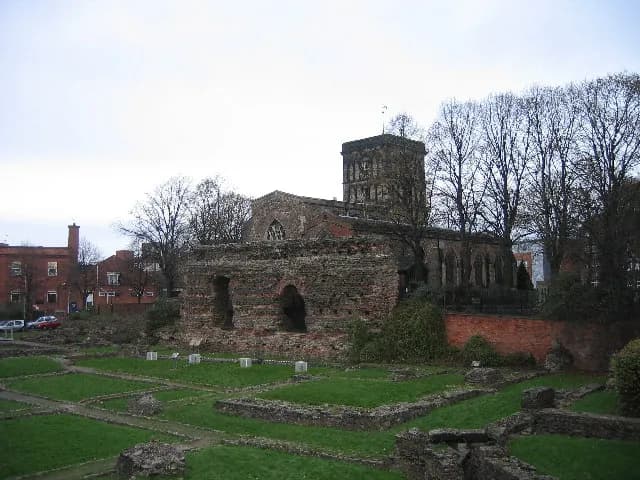
In a city filled with layers of Roman, medieval, industrial and modern history, the Magazine Gateway remains one of Leicester’s most distinctive survivors. It may no longer guard the entrance to a walled religious precinct, but it still stands as a gateway into the city’s remarkable past.