Parish councils across Leicestershire are being encouraged to help protect local wildlife and improve biodiversity by joining a scheme that transforms roadside verges into thriving natural habitats.
The Urban Verges Wildlife Scheme, delivered by Leicestershire County Council in partnership with wildlife recording charity NatureSpot, gives parish councils the opportunity to manage selected roadside verges in their communities. By introducing wildlife-friendly maintenance practices, the initiative aims to create healthier green spaces where native plants, insects and other wildlife can flourish.
The successful scheme has been running since 2021 and currently involves almost 50 parish councils, looking after 75 individual verges.
Now, the call has gone out for new parishes to get involved, or for existing members of the scheme to increase the numbers of verges they look after.
How to Get Involved
A webinar is taking place on Thursday 17th December from 7 pm to 8 pm, where interested parishes can find out more about the scheme and ask questions. It will be recorded, so that those who are unable to attend can still get the relevant information.
Anyone who would like to attend or who would like further information is asked to contact the Environment Team at EnvironmentTeam@leics.gov.uk.
The deadline to get involved in the project is 4 pm on 4th January 2027, with the scheme kicking off again in spring.
How the Scheme Works
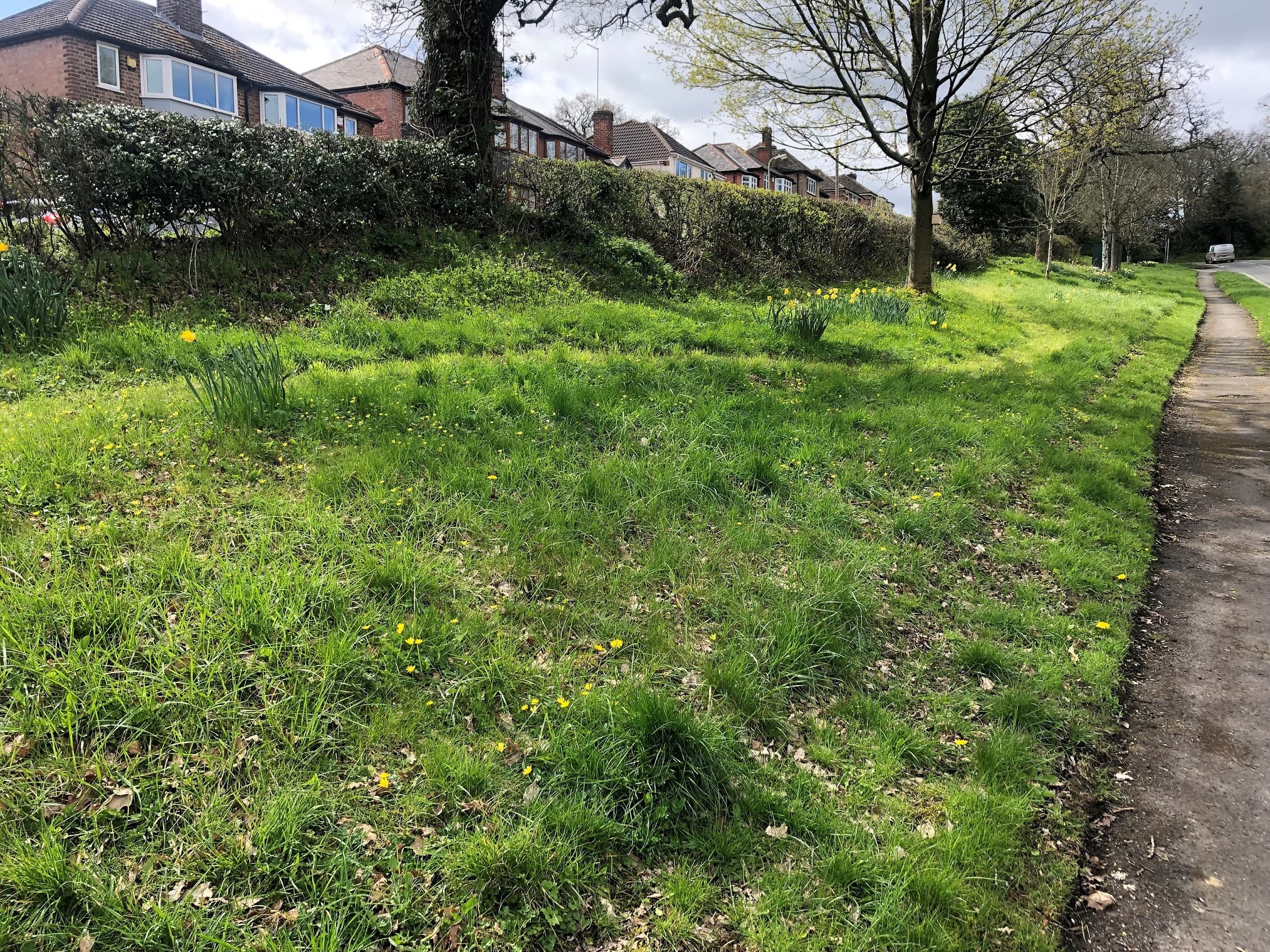
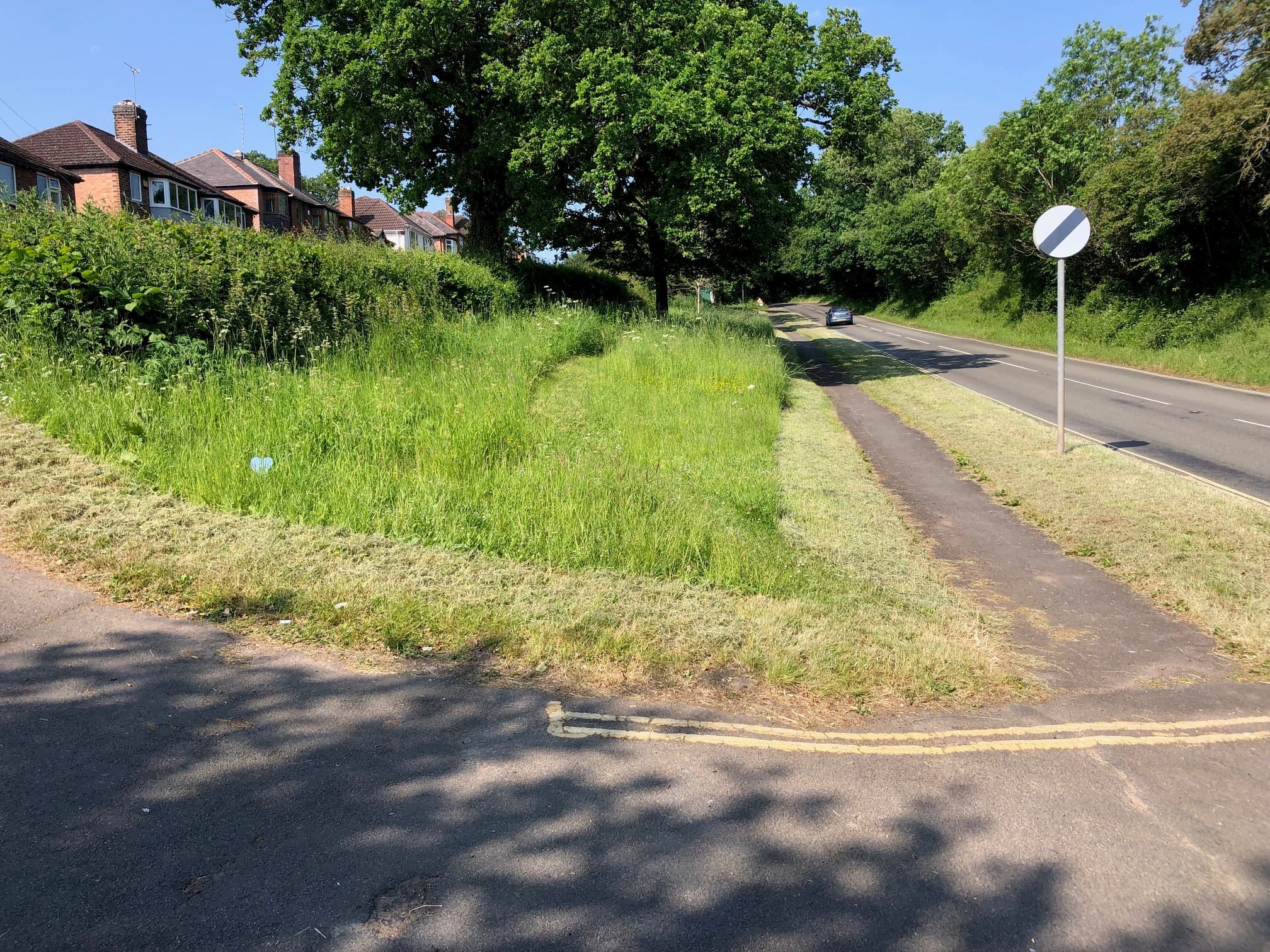
Verges in the scheme are left to grow, allowing wildlife to recolonise and recover over time through natural regeneration or by using native wildflower seeds where needed. Verges are considered for the scheme only if they are within a 30/40mph zone, and sight lines are not affected by the planting schemes.
Results So Far
So far, the project has generated 4,130 wildlife records for NatureSpot in 80 locations across Leicestershire. The total area of verges in the scheme is 35,370 square metres, which is the equivalent of five football pitches!
Grimstone topped the charts in 2026, with 65 wildlife records, including 32 wildflower species.
Councillor Adam Tilbury, cabinet member for environment and flooding, said:
Our Urban Verges Wildlife Scheme is a fantastic way to bring nature back into our communities and directly supports the ambitions set out in the Local Nature Recovery Strategy for Leicestershire, Leicester and Rutland, which was launched earlier this year.
By creating wildflower-rich verges, we’re helping pollinators thrive, boosting biodiversity, and making our streets more vibrant. I encourage every parish council to get involved and, for those already part of the scheme, to consider expanding the number of verges they manage. Together, we can make a real difference for wildlife and for future generations.